Ingredients

The Ingredients,
and the People Behind Them.

Ingredients raised with care, somewhere, by someone.
When they meet the sun-dried sea salt of Guérande, France,
a new kind of deliciousness is born.

Ingredients made with devotion, ingredients long overlooked, ingredients rooted in their region.
Together with the producers behind them, we craft an experience in a single shake.
That is NOIX Seasoning.

Every new encounter makes it taste even better.

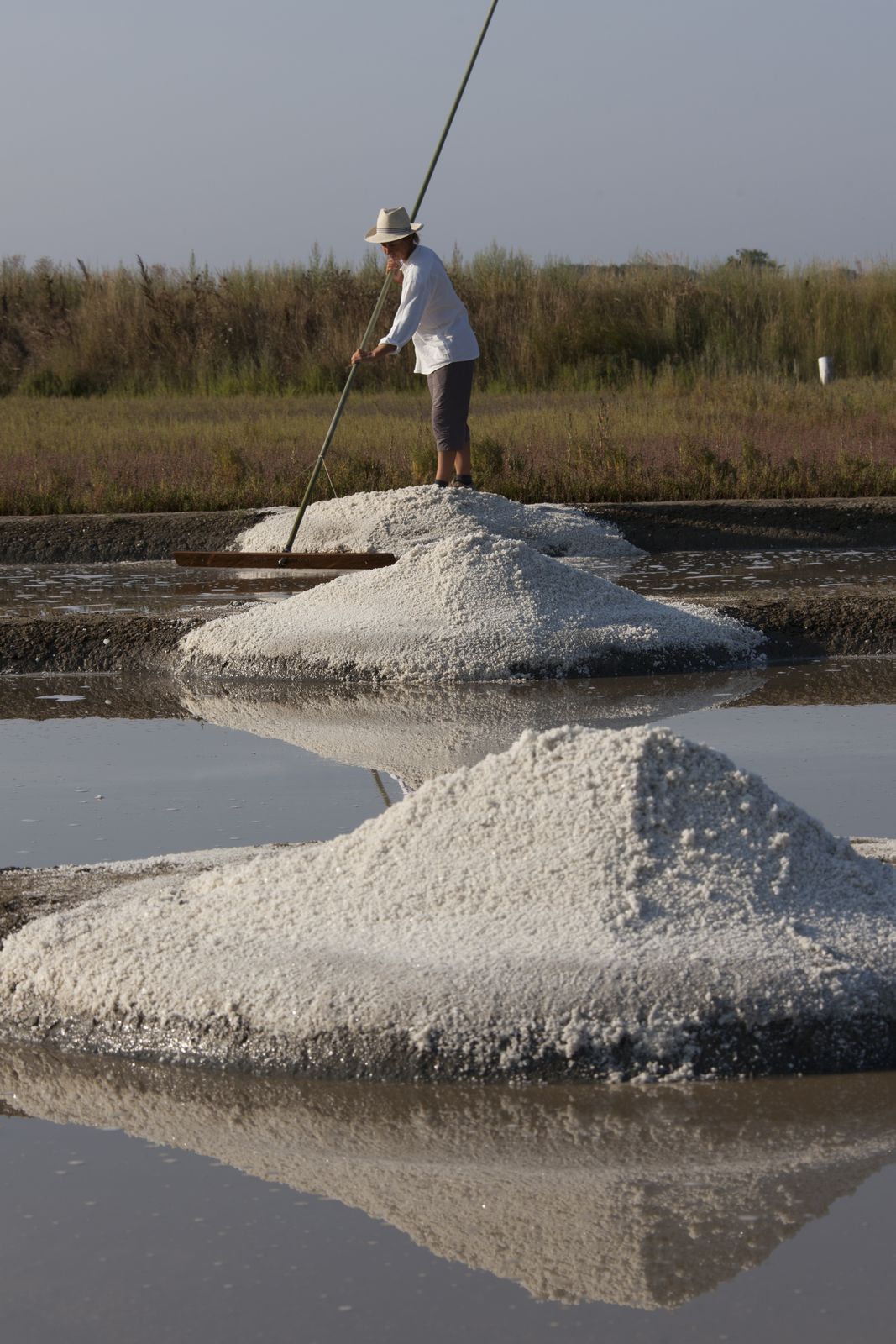
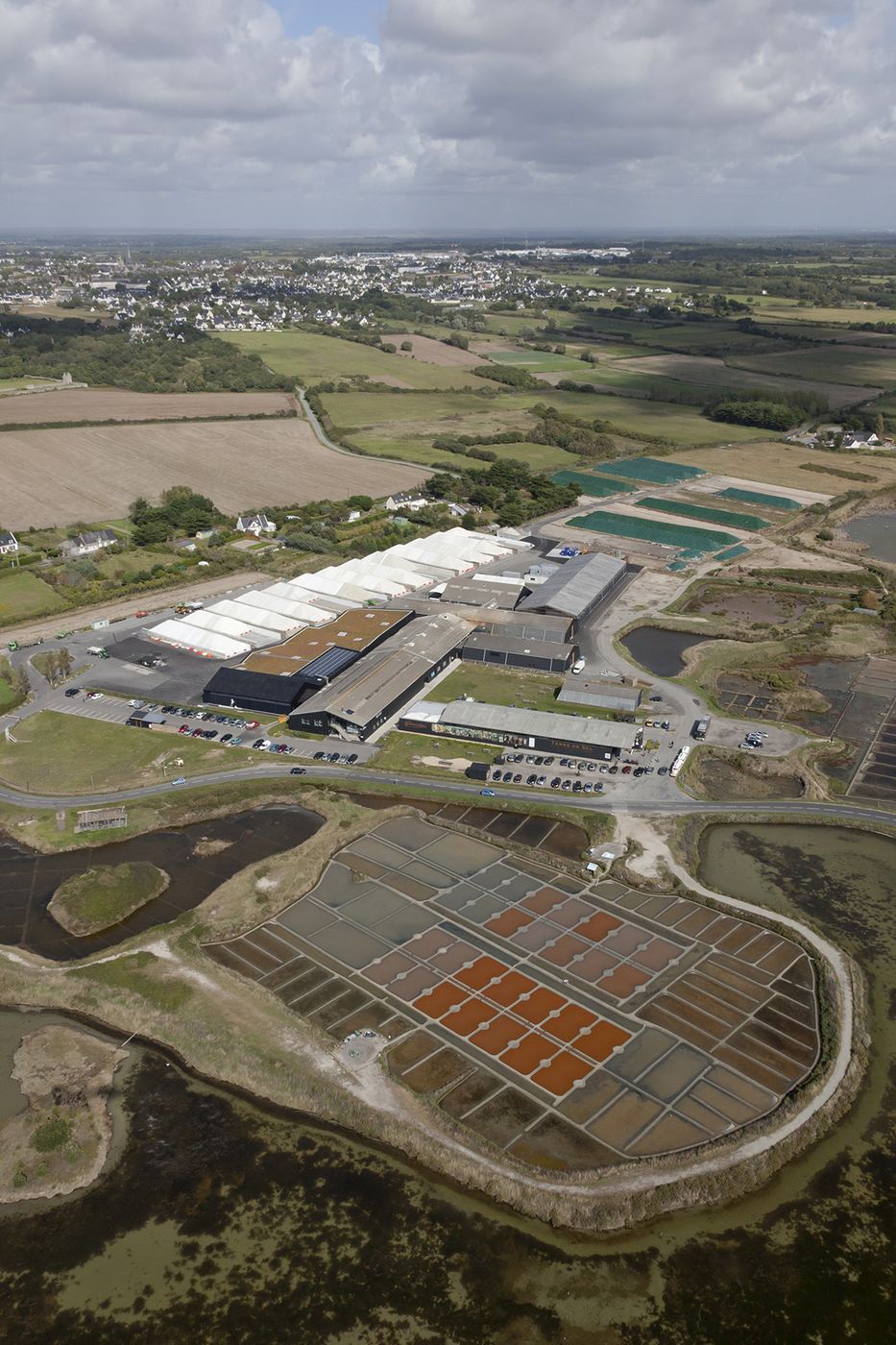
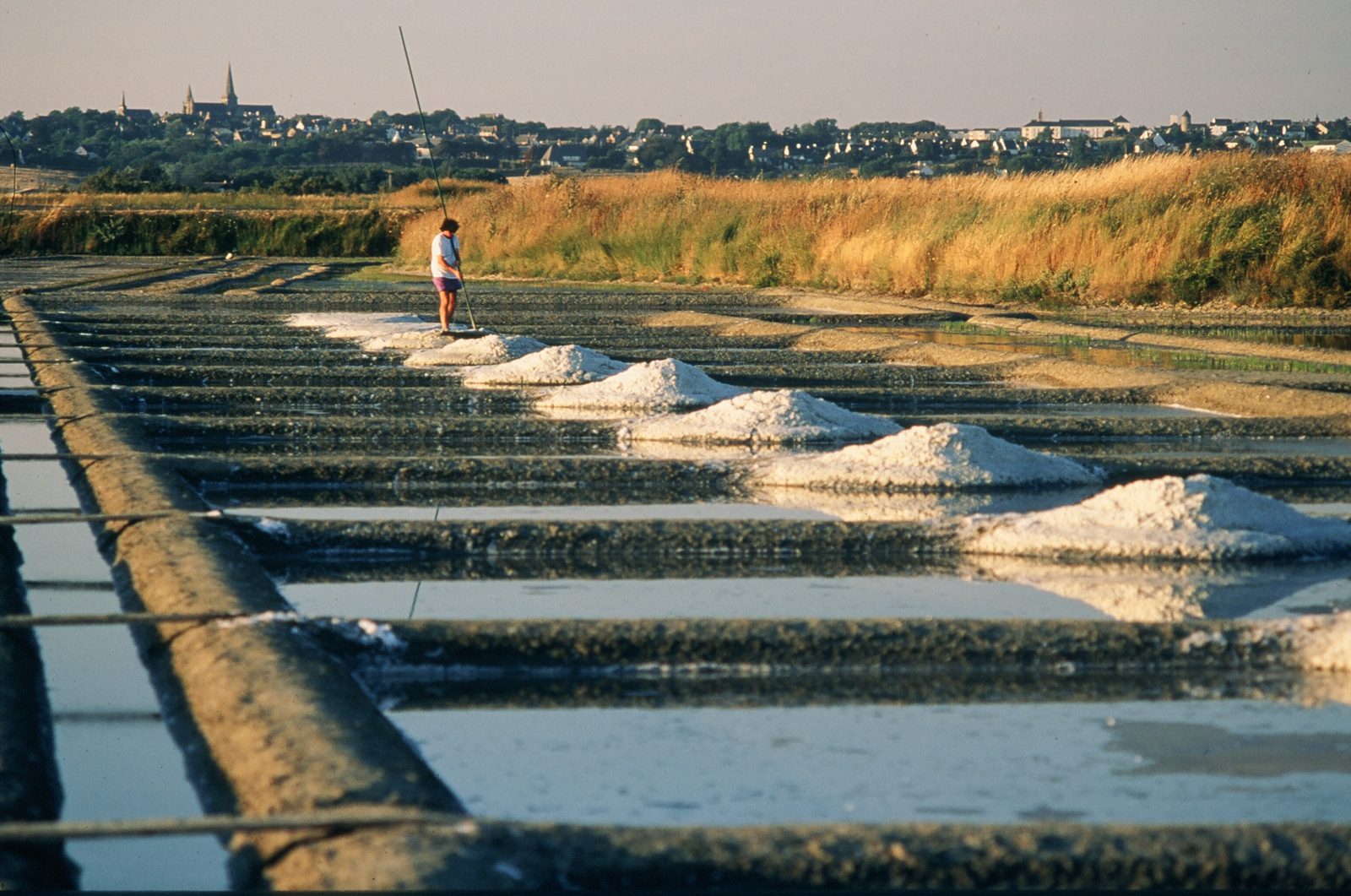
Salt marshes of Guérande — paludiers at the harvest
France · Guérande

Sel de Guérande

Guérande salt — the foundation of everything
The salt marshes of Guérande, on the Brittany peninsula of France. A traditional method, unchanged for 1,500 years, that crystallizes Atlantic seawater slowly, by the power of sun and wind alone.

The salt artisans known as paludiers harvest each grain by hand with a wooden tool called a las. No machines — reading the seasons and the weather, they gather the crystals as if tending a crop.

Rich in minerals yet mellow, gentle and free of bitterness. The "Champagne of salts," recognized by chefs the world over.
Origin
Guérande peninsula, France
Tradition
Around 1,500 years of history
Method
Sun-dried sea salt, hand-harvested by paludiers
Partner
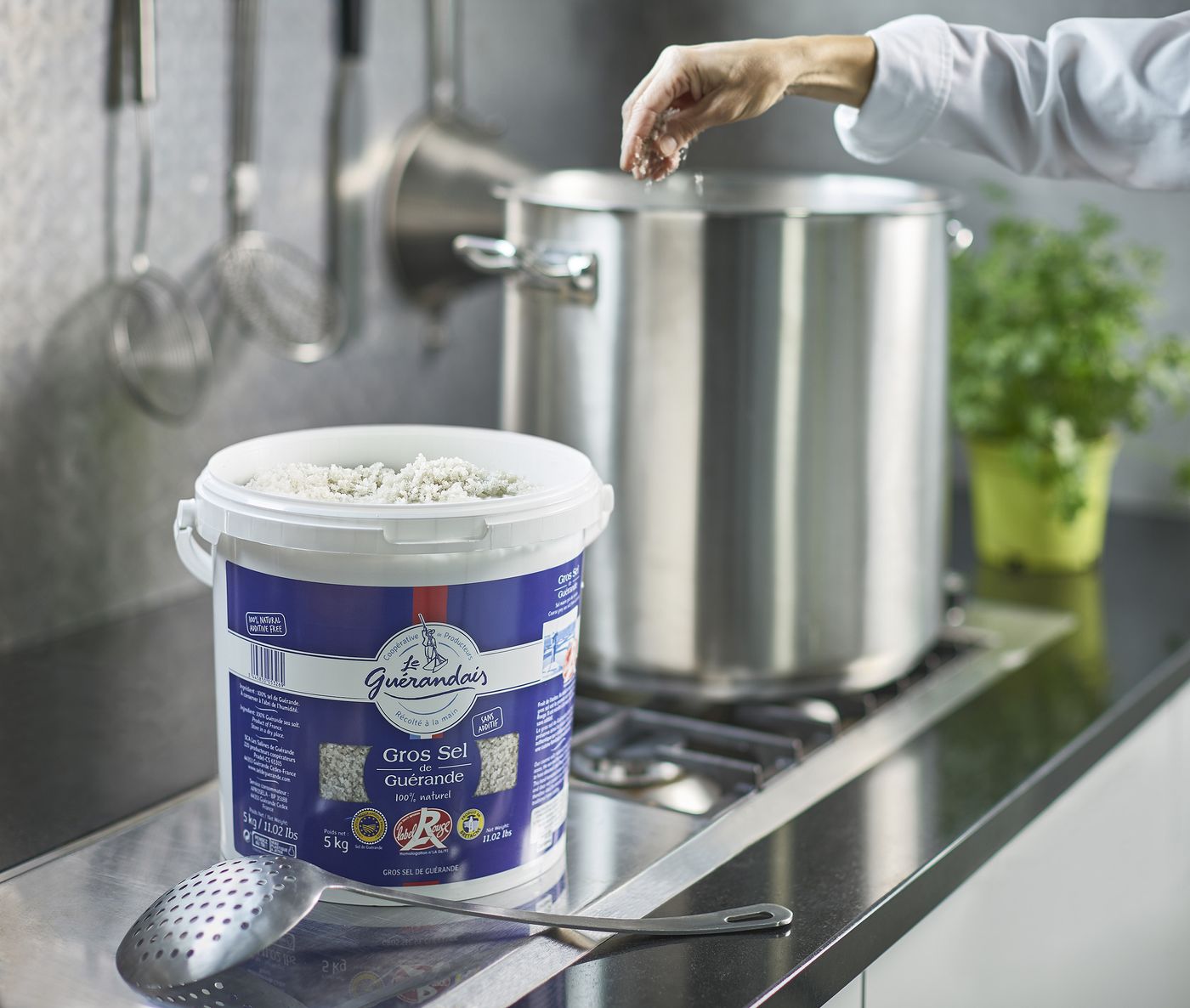
Les Salines de Guérande
For nearly 30 years, NAC Inc. has brought this salt to Japan, sourced directly from the producers' cooperative.
Every NOIX seasoning is built on this Guérande salt.
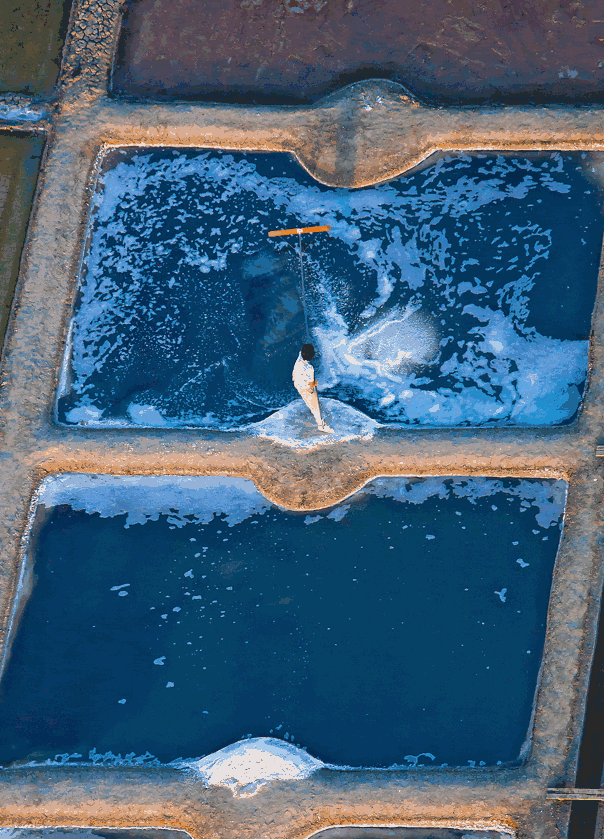
Aerial drone view of the Guérande salt marshes — paludiers gathering salt
The Scale of Guérande

The salt marshes of Guérande, and their scale

225
producers
2,000ha
of salt marshes
12,000t
produced per year
1,300 yrs
of salt-making history

The salt marshes of Guérande spread across the wetlands of the southern Brittany coast, facing the Atlantic. Tended for 1,300 years, these marshes are still worked by hand today by 225 producers — the paludiers — who draw roughly 12,000 tonnes of salt a year from the power of sun and wind alone.

No machines: each marsh is guided with wooden tools, and the crystals are gathered by hand. The oldest and most traditional form of salt-making in Europe lives on here.

Harvesting salt crystals in the Guérande marshes
Certifications

A mark of trust

The name, the method, and the quality of Sel de Guérande are protected by some of France's most respected quality certifications.

For Consumers
Consumer certifications — quality, origin, organic
PGI / IGP
2012
PGI / IGP
EU Protected Geographical Indication. Guarantees the origin and quality of "Guérande salt" (all products).
Label Rouge
1991
Label Rouge
A taste-quality certification — the world's first for sea salt. Covers coarse and fine salt.
Nature & Progrès
1989
Nature & Progrès
Stricter than EU organic. Salt-making that respects the environment and people.
AB AGRICULTURE BIOLOGIQUE
2009 / 2024
Agriculture Biologique
French organic certification. Covers the flavored salts.
Trade & Business
Trade & business certifications (B2B) — safety, region, CSR
Produit en Bretagne
Produit en Bretagne
Made in Brittany — a contribution to the regional economy (all products).
APROSELA SEL ARTISANAL
1990
APROSELA
The producers' body that upholds the quality standards of traditional handcrafted salt.
PME +
2024
PME+
A sustainable-SME and CSR certification.

Guérande salt is also a cultural heritage — passed down for more than a thousand years alongside the ecosystem of the marshes and the handwork of the paludiers.

Les Salines de Guérande producers' cooperative — visitor center
Les Salines de Guérande salt producers' cooperative
30 Years of Partnership

Nearly 30 years of bringing it to Japan

Since first introducing Guérande salt to Japan in 1997, NAC Inc. has built a relationship spanning nearly 30 years as the official importer of Les Salines de Guérande.

Through retailers nationwide — including KALDI COFFEE FARM — and major wholesalers such as Mitsubishi Shokuhin, Nippon Access, and Kato Sangyo, we deliver roughly 80 tonnes a year of Guérande salt to tables across Japan.

The salt at the base of NOIX Persian Rose Elegance is, of course, this same authentic Guérande salt — born of 30 years of trust.

Toyama · Imizu

Edible Rose (食香バラ®)

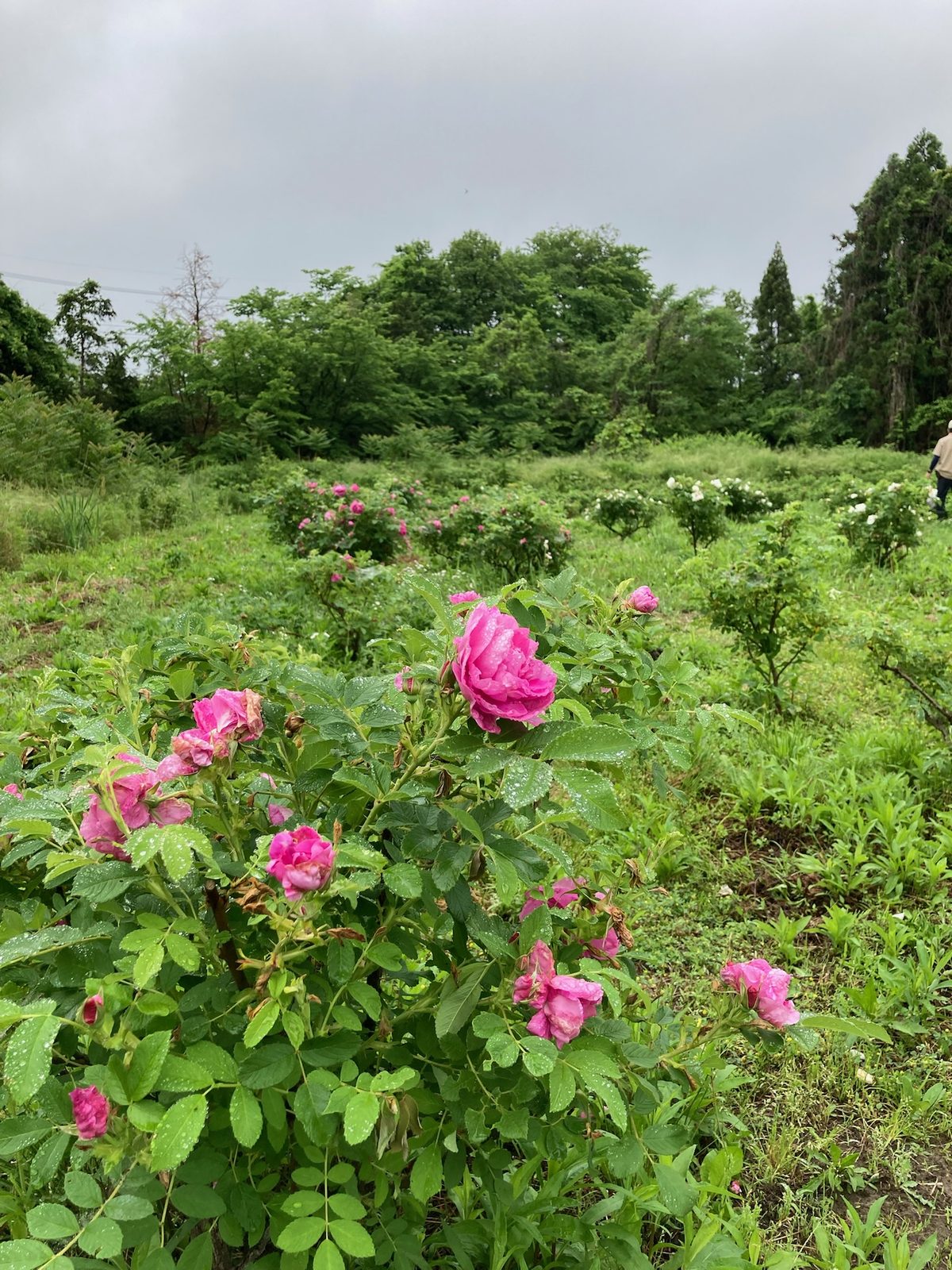
Imizu, Toyama — a rose grown to be eaten
The other star of the jar: the Edible Rose.

The main ingredient is a variety called "Houka," a meigui-type rose native to China that has been cultivated for roughly 1,300 years — since the Tang dynasty (from 618 CE).

Unlike the Damask rose grown for perfume, this is a rose raised to be eaten. Its petals carry little of the waxy compound, leaving no bitterness in the finish. In 2010, the Chinese government approved the variety for culinary use.

In Japan, the Imizu Edible Rose Society in Imizu, Toyama grows it entirely pesticide-free. On about 4,000 m² they raise 1,300 plants of three varieties, harvesting roughly 600 kg a year — Japan's leading source.

It carries a faint plum-like fragrance that blends, surprisingly well, even into Japanese cuisine.
Origin
Imizu, Toyama (Japan's leading source)
Variety
Houka / meigui type / ~1,300 years of cultivation since the Tang dynasty
Certification
Approved for culinary use by the Chinese government (2010)
Annual Yield
Roughly 600 kg a year, pesticide-free
See Persian Rose Elegance → Imizu Edible Rose Society Instagram →
The Imizu Edible Rose Society's field in Imizu, Toyama — the Edible Rose (食香バラ®)
From Petal to Bottle

From petal to bottle — the journey of the Edible Rose

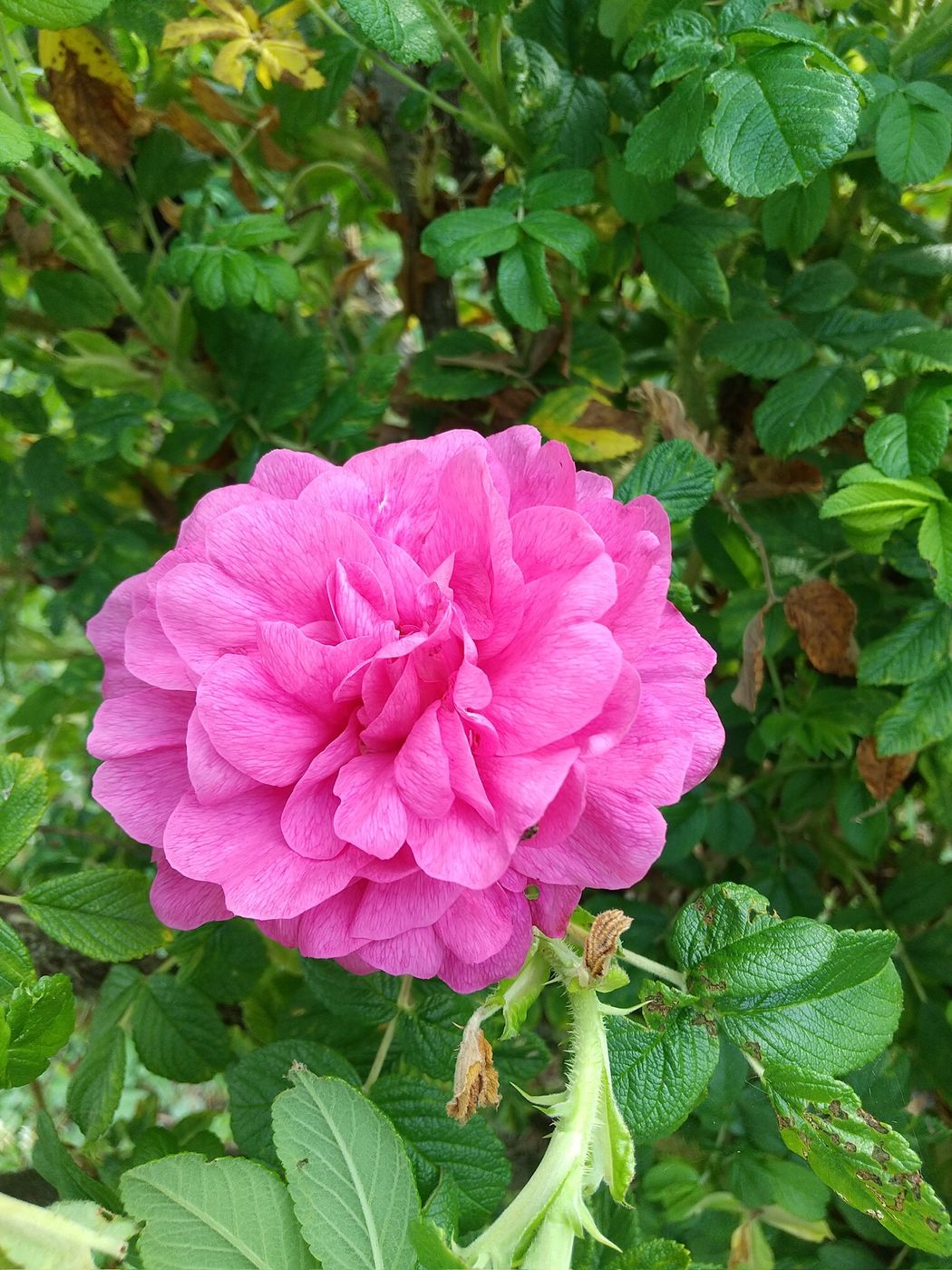
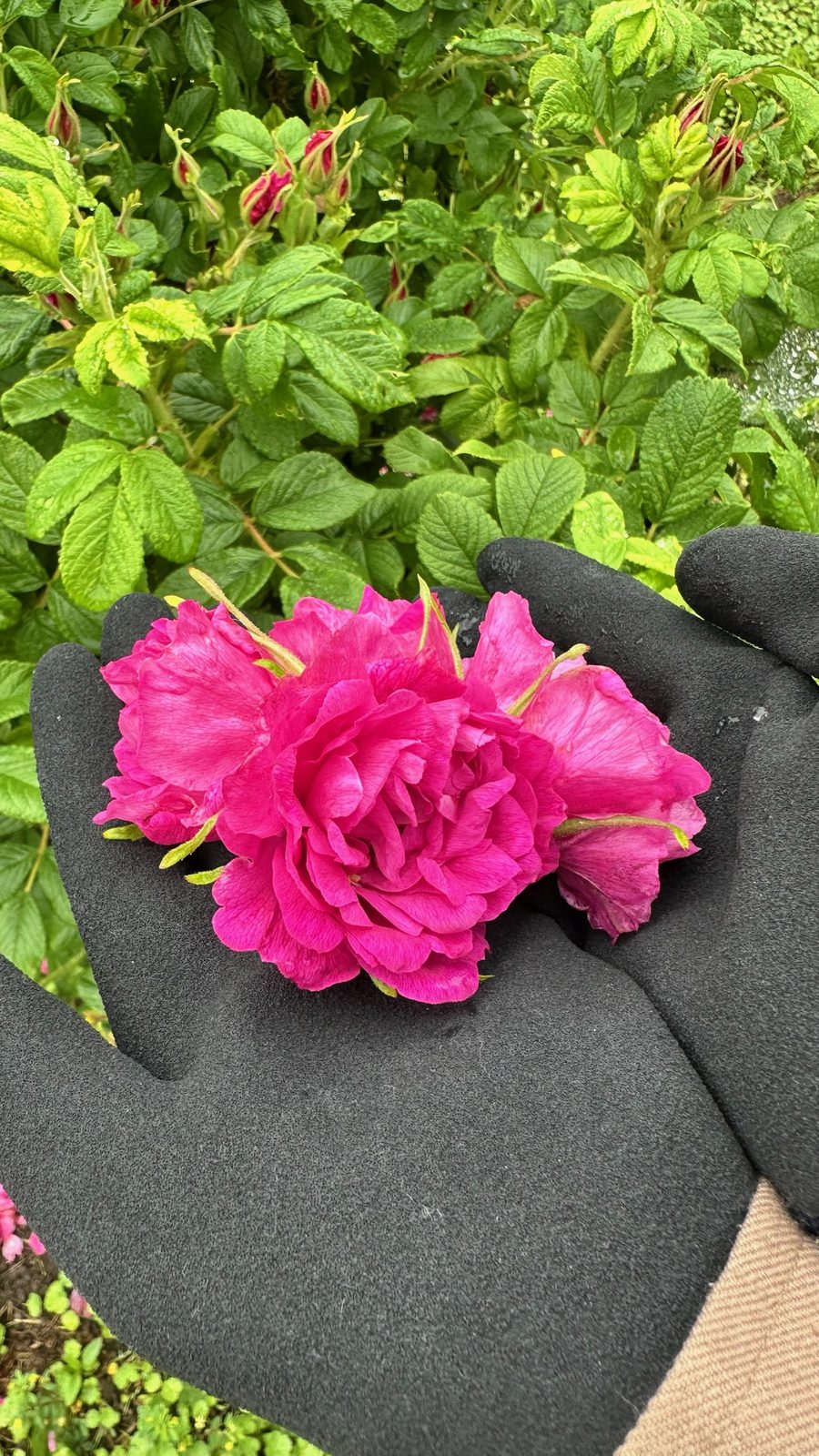
Edible Rose — in bloom
1

Blossoming

In early summer, deep-pink petals open. A variety well suited to eating, with little waxy compound and no bitterness.

Edible Rose — hand-picked at dawn
2

Hand-picking

Before the morning dew dries, each bloom is picked by hand. No pesticides, ever.

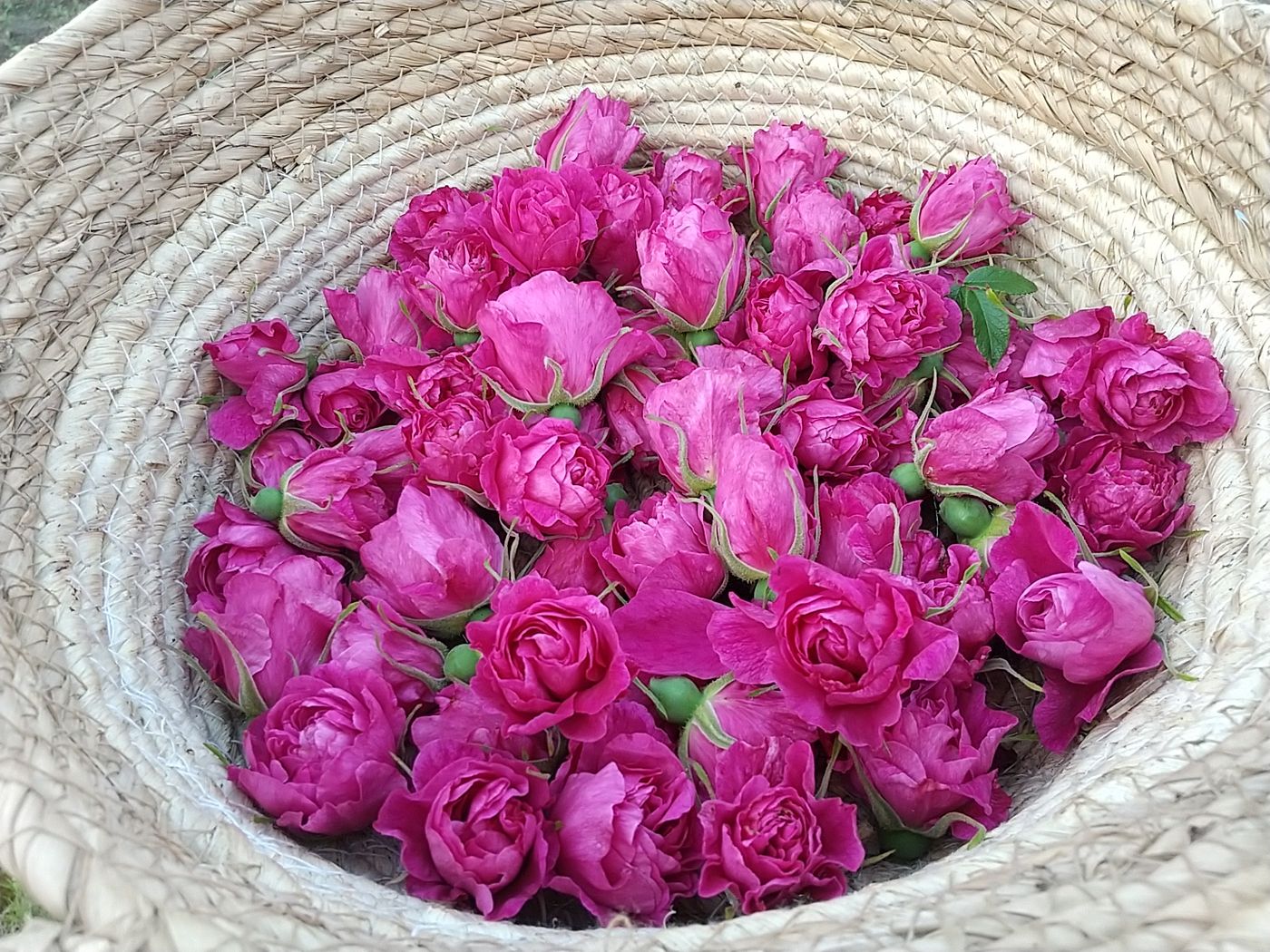
Edible Rose — the harvested blooms
3

Harvest

Petals gathered by the basketful. This color and fragrance become the heart of the seasoning.

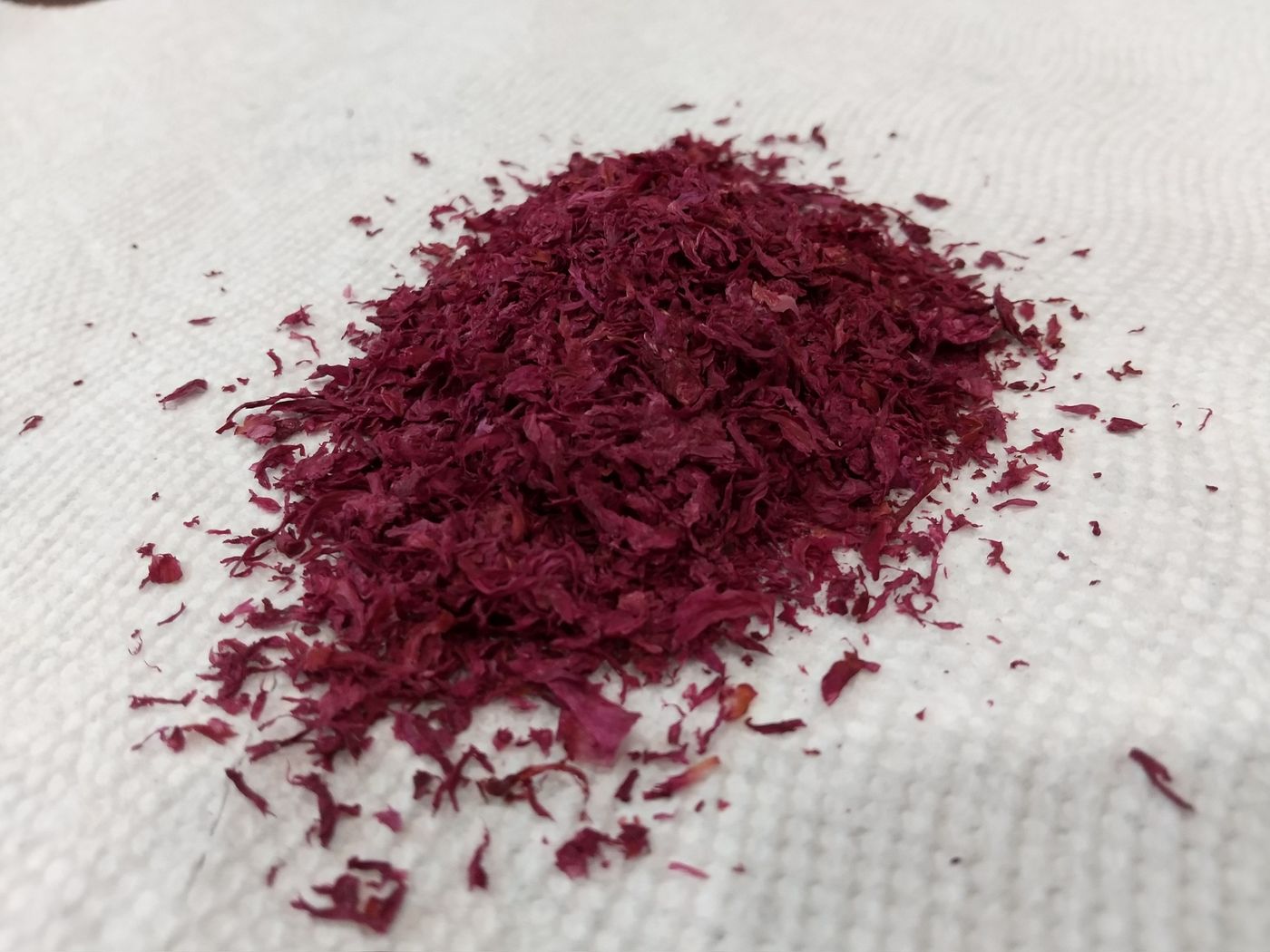
Edible Rose — dried flakes
4

Processing

Carefully dried into flakes — pink petals that delight the eye inside the jar.

Picked by hand, bloom by bloom, in the early morning. Chef Kurumi visits the fields herself to talk with the growers.

B
Coming Soon
Okinawa

Tenshi no Ebi (Angel Shrimp)

Okinawa — the star of French Bisque Voyage

The hero ingredient that distills the world of traditional Breton bisque into a single jar.
The visit report from its origin and the ingredient's story will be published to coincide with the launch of French Bisque Voyage in August 2026.

Launching August 2026
Gunma · Tatebayashi

Olive Leaf

Tatebayashi, Gunma — the star of Greek Olive Breeze

A reinterpretation of Mediterranean olive culture through Japanese ingredients. Not the fruit, but the fragrant powder of the olive leaf, takes the lead.
The visit report from its origin and the ingredient's story will be published to coincide with the launch of Greek Olive Breeze in October 2026.

Launching October 2026
O
Coming Soon
Producers Wanted

Let's build
a new table together.

NOIX is looking for producers of distinctive ingredients to help shape the table of tomorrow with us.

Pesticide-free, rare varieties, regional native species, traditional methods —
why not turn the care you've poured into your ingredient
into an experience in a single shake?

We'd love to hear from: ・Producers, farmers, fishers, and artisans across Japan
・Anyone growing rare varieties or regional native ingredients
・Anyone who'd like to start with a small batch or a short-term collaboration
・Anyone interested in building a brand story
Get in touch →

From the ingredient, to a single shake.

Start with Persian Rose Elegance — available early on the BASE store from June 15, 2026.
Bring the meeting of Toyama's Edible Rose and the salt of Guérande, France to your own table.

Visit the BASE store Back to top