The Rose Culture of Persia
A rose is not only a flower to admire. In Persia — present-day Iran — the rose has been a food for more than a thousand years. Carrying its fragrance, its taste, and its color all at once, it has long held its place at the very center of the table.
Welcome to the land of roses. I'm Leila, a Persian cat — a cat born in this country, here to guide you to its table. In my eyes lives a long memory: a cuisine colored by roses and fragrance. Come, into a world where you “eat the scent.”
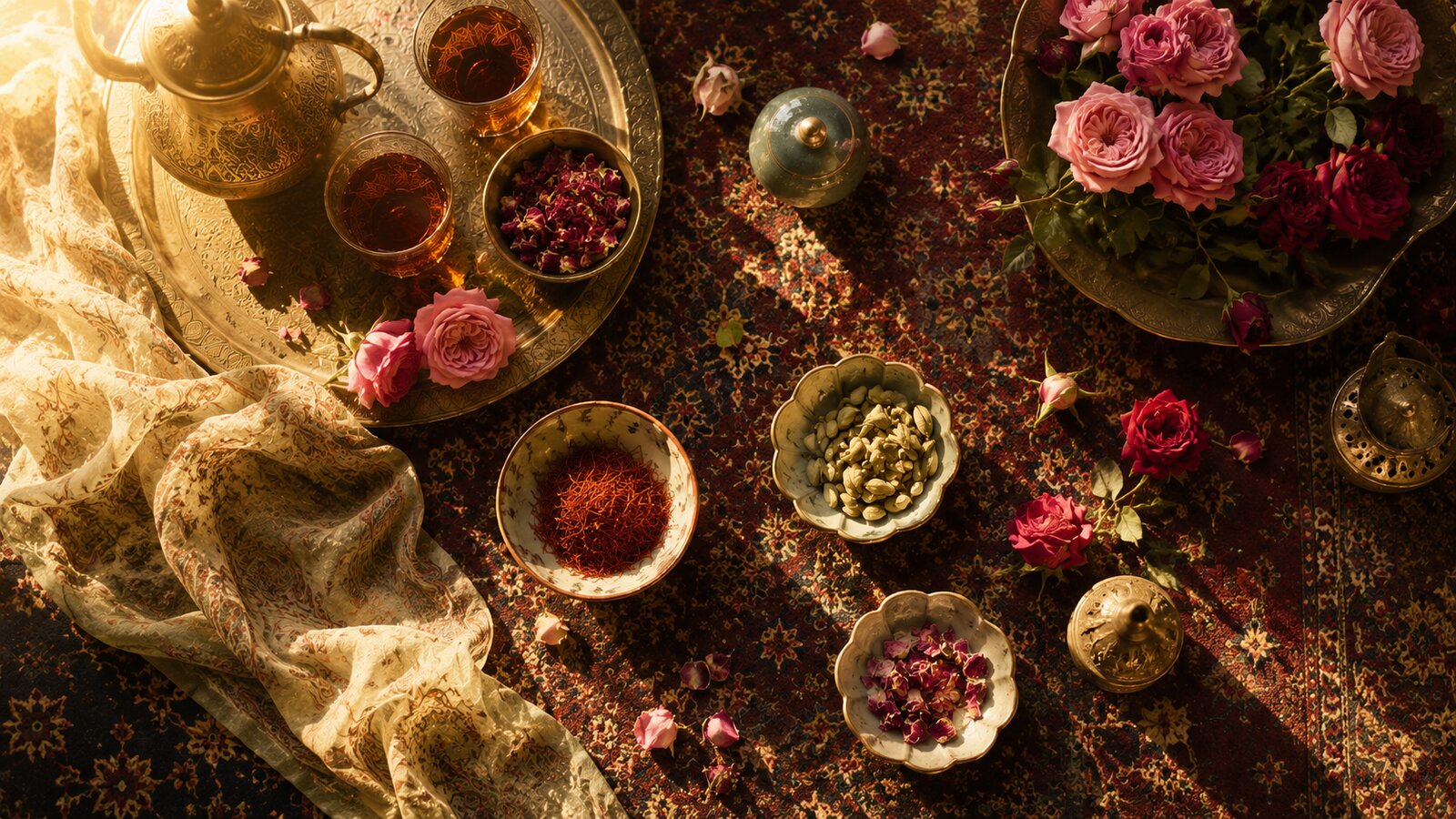
A Persian Afternoon — Roses, Saffron, and the Quiet Luxury of an Ancient Table
Golab: Over Two Millennia of Rose Distillation
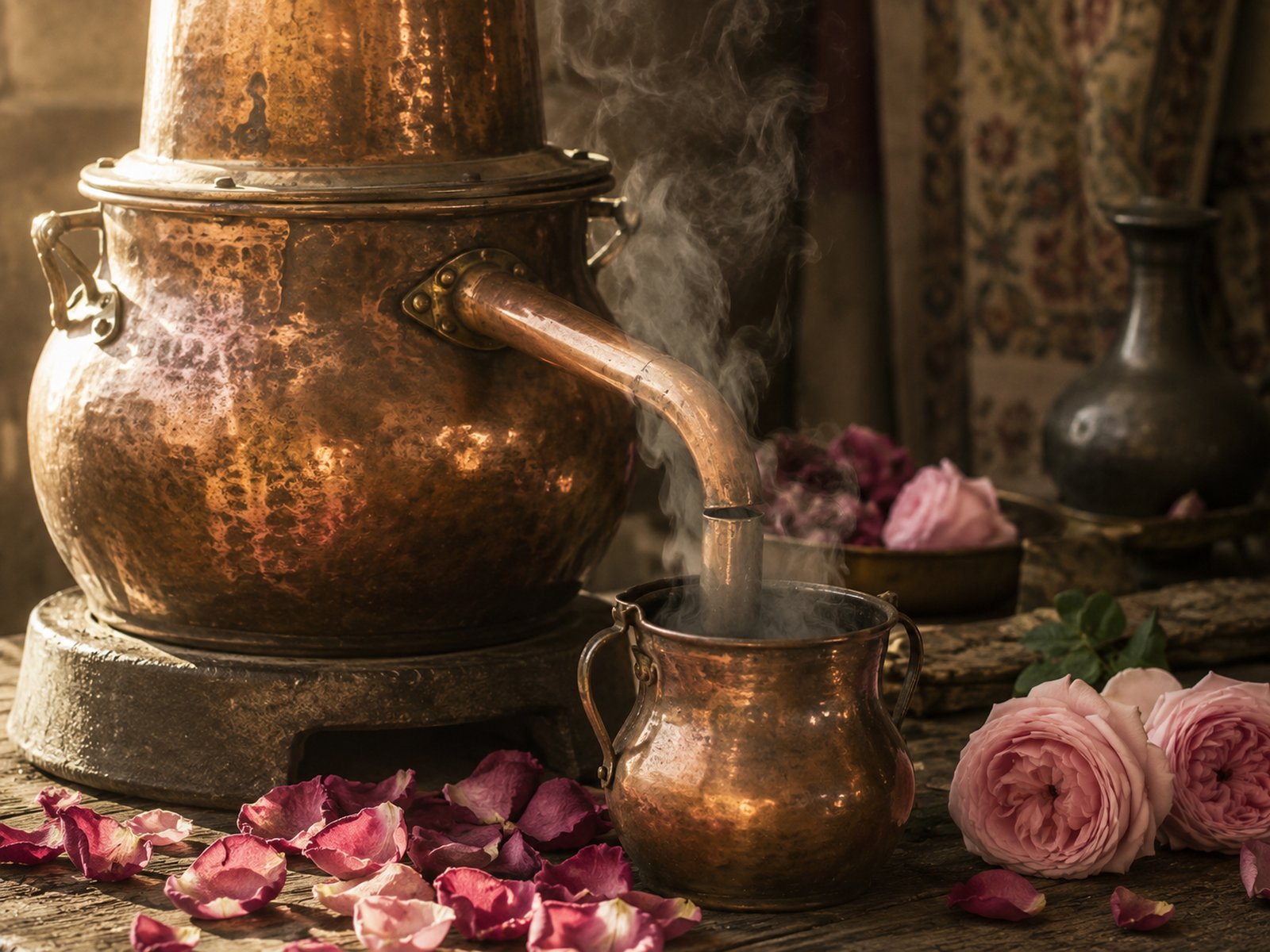
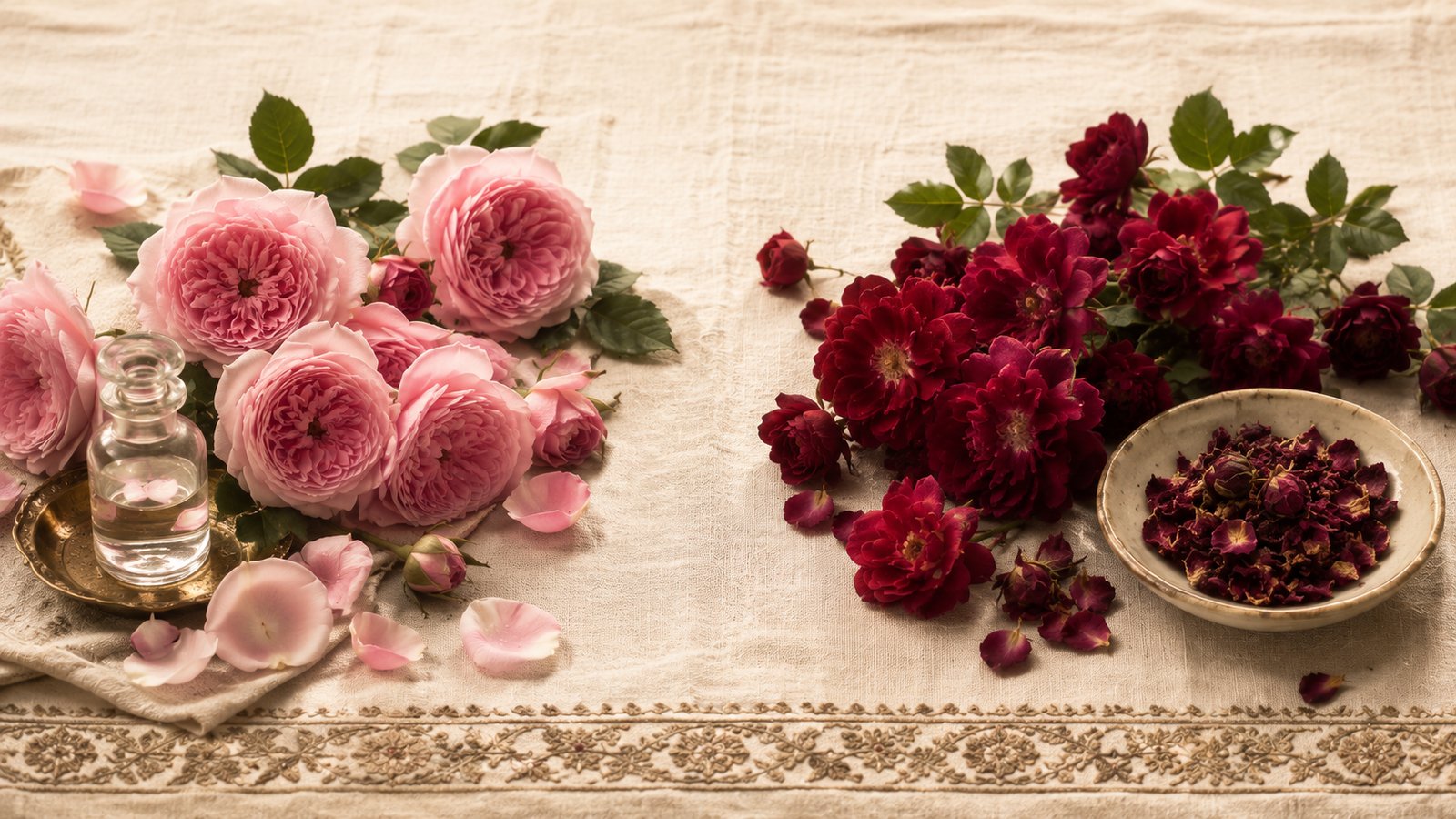
Persia is one of the world's oldest sources of rose water (golab). The craft of distilling roses to draw out their fragrance is said to reach back more than two thousand years, to ancient Persia, and it has been refined over a long history since. In the tenth century, the Persian philosopher and physician Ibn Sina — known in the West as Avicenna — set the science of rose-water distillation onto a systematic footing. Through his writings, rose water spread through medicine, perfumery, and cooking alike, and in time traveled east and west along the Silk Road.
Each year, from May into June, Persia welcomes the season for distilling rose petals. This time is called golabgiri, and the village of Qamsar, in Kashan County, is still known as the heart of the tradition.
This rose water permeates nearly every corner of life — the Persian table, festival rituals, and even medicine.
A word from Leila
Rose water isn't perfume, you know. It goes into braised chicken, and into freshly steamed rice, too. Try gently letting go of the idea that “a sweet scent means dessert.”
Golab Distillation — Over Two Thousand Years of Persian Craft
Rose as the Aromatic Pillar
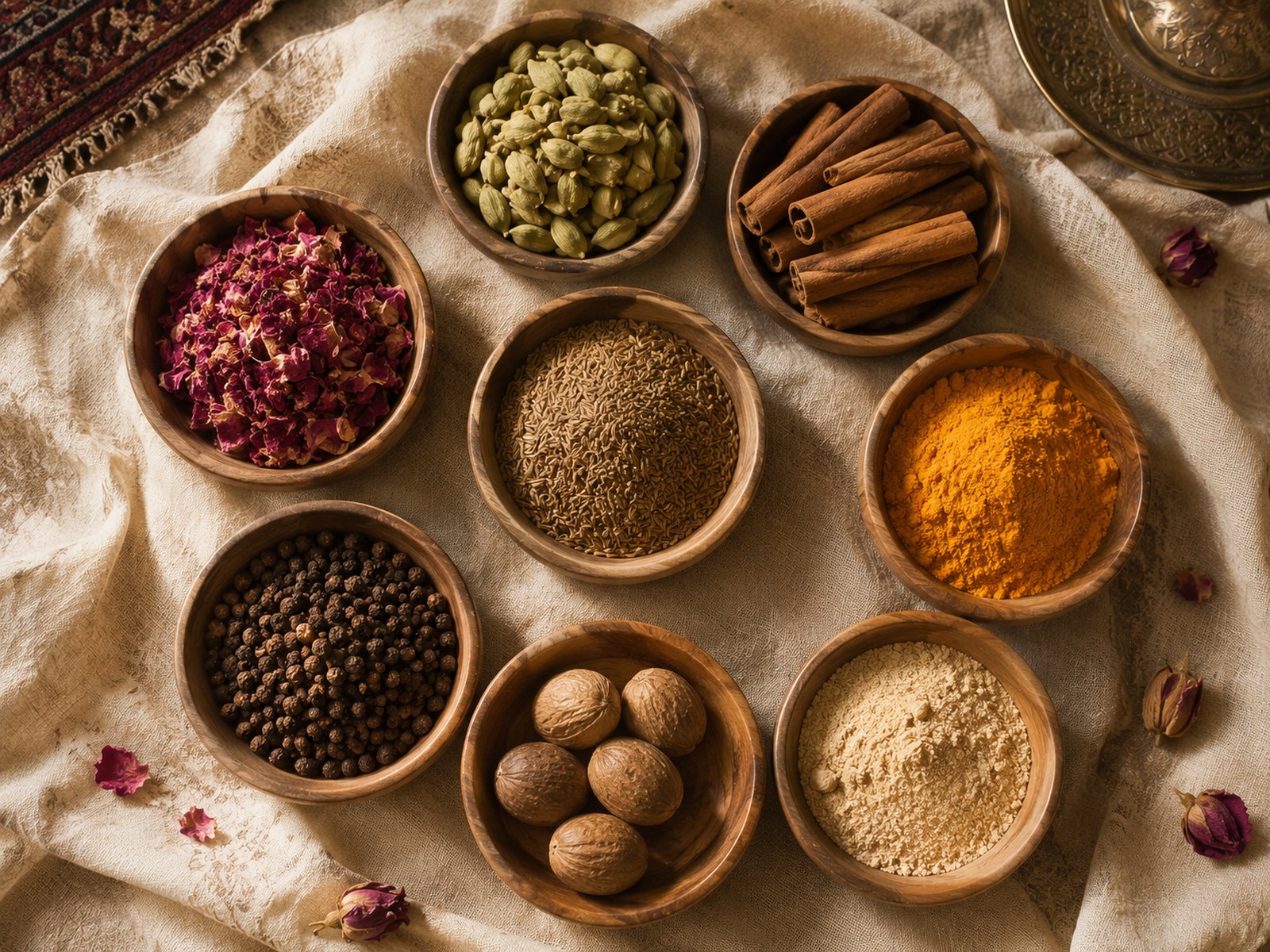
Advieh is the spice mixture you might call the heart of Persian cooking. And within that blend, the idea that rose petals serve as the central pillar of fragrance is something quite particular to Persian cuisine.
A word from Leila
A single pinch of advieh, and an everyday dish takes on a Persian breeze. Rose, cinnamon, cardamom — layering fragrances is the way of this country.
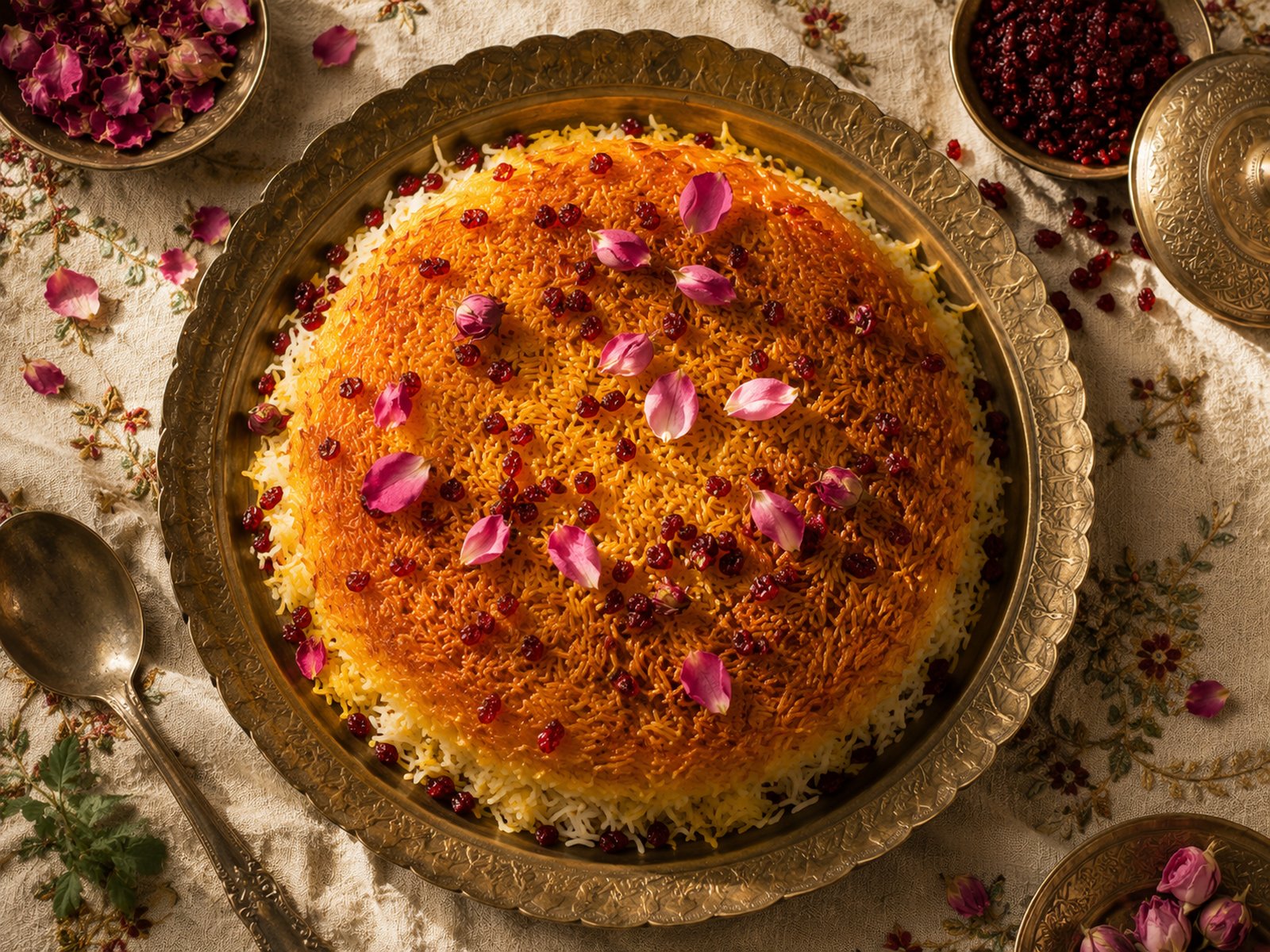
It is essential to seasoning Persian rice and pilaf. The fragrance of rose spreads through every grain, drawing out a refined aroma.
For lamb stews, bean soups, and other long-simmered dishes. The scent of rose lends them greater depth.
Persian sweets across the board. From faloodeh to sholeh zard to bastani, the fragrance of rose is indispensable to anything sweet.
Black tea, ice cream, iced drinks. The scent of rose gives a refined finish to a cold drink on a summer day.
✧
The philosophy that "the rose is the pillar of fragrance" shows that Persian cooking is no mere meal, but an art of the senses.
Advieh — The Eight Spices of Persian Cuisine
From Fesenjan to Rose Jam
In the Persian home, the rose is always there at the table. From confections to savory dishes to drinks, it gives color to a great many foods.
A stew of walnuts and pomegranate. Rich, with tartness and sweetness in harmony, it gains a new depth of fragrance from a small measure of rose water. Often simmered with chicken or lamb, it is one of the dishes that defines Persian cuisine.
A jam of fresh rose petals preserved in sugar. Spread on bread at breakfast, or served alongside a cup of tea. Its fragrance fills the whole house.
A few drops of rose water in an afternoon tea. And in summer, rose water is essential to ice cream too — a single serving where coolness and fragrance become one.
Tahdig — Where Saffron, Rice, and Rose Meet
Silk Road: The Journey of Culinary Roses
The culture of the "edible rose" that began in Persia traveled east along the Silk Road, and in time spread throughout the world. Its history tells of a civilization that journeyed together with fragrance.
In China, the Persian rose culture was inherited and then developed into a food tradition of its own. From the Tang dynasty in particular — roughly 1,300 years ago — the rose (meigui) has been prized in medicinal cuisine, in tea, and in confections.
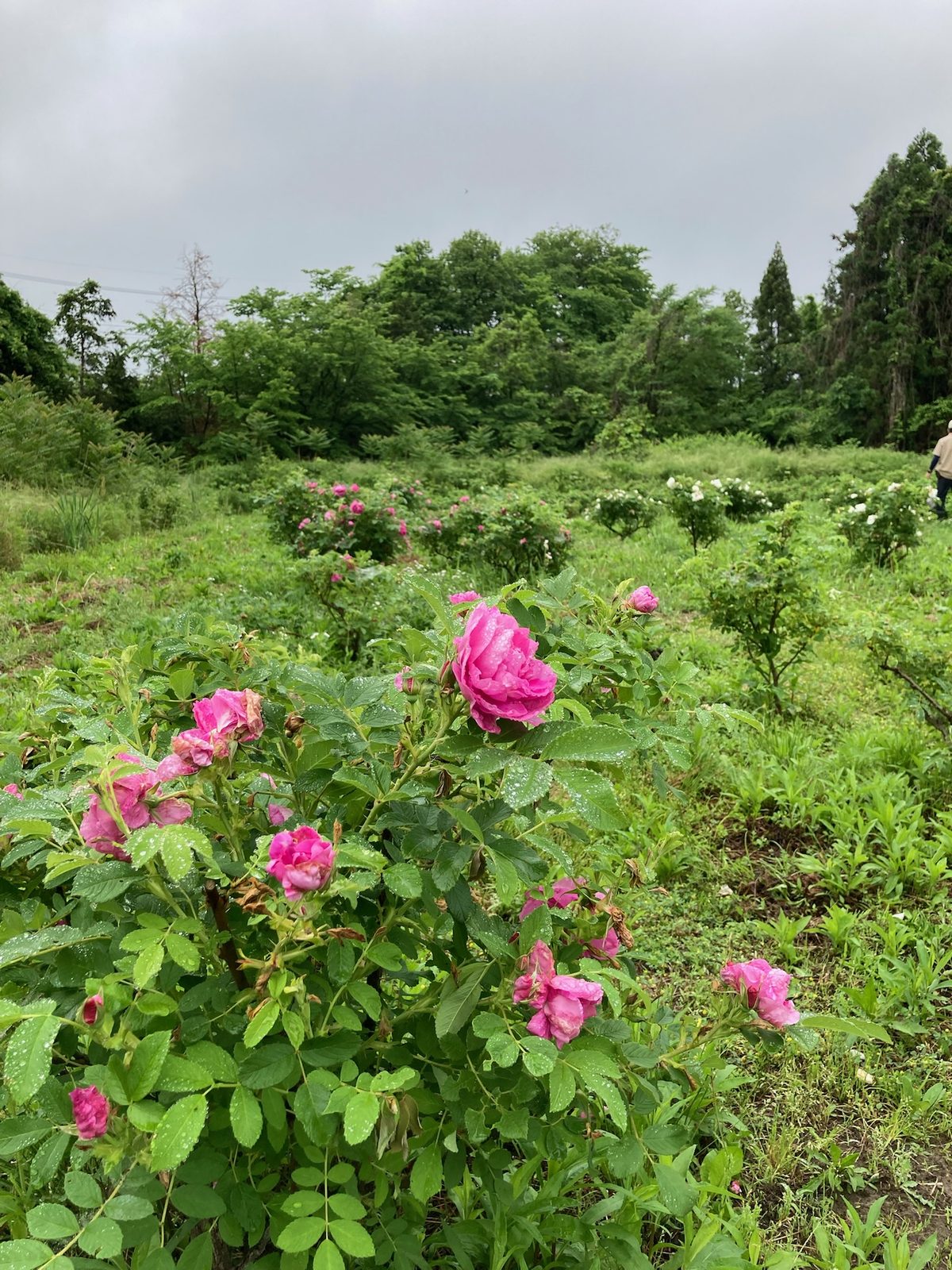
The rose culture that passed from Persia to China reached Japan as well. The Edible Rose (食香バラ®) grown in Imizu, Toyama Prefecture, is raised without pesticides and is known for both its fragrance and its safety.
✧
NOIX seasoning brings together the wisdom and tradition of these three nations as one. The Persian philosophy of the "edible rose," China's 1,300 years of history, and Japan's pesticide-free cultivation. The knowledge and experience each civilization has built up over time is carried, at last, to the Japanese family table.
Damascena & Meikui — Two Roses, One Journey
Thank you for traveling this far with me. If you find yourself wanting to follow more of my story and the story of the rose, turn to the pages of the picture book. And at your table, a single sprinkle of Persian Rose Elegance. Your usual dish will surely change.
Persian Rose, holding a thousand years of history within it. Bringing fragrance and grace to your table.